Study Participation
How the Study Works
Participation in this study involves a brief, anonymous questionnaire that takes about five minutes to complete. You’ll be asked questions about your personal values and thoughts on social messages.
Privacy and Use of Responses
Your responses are entirely anonymous and will be used solely for scientific research. This study aims to generate insights into the act of protesting
The findings will benefit artists, city planners, and policymakers by highlighting ways to create public spaces that invite social reflection and community engagement.

Please Complete Survey First
If you're planning to fill out the survey, I kindly ask that you do so before reading through the full details of my study. Completing the survey first helps ensure more genuine responses, as it allows you to share your initial thoughts before seeing all the information. Thank you for helping make the study more accurate!

Purpose of the Study
In today’s world, the values we hold shape our communities and define the kind of society we want to live in. Art in public spaces serves as a powerful medium to express and share these values, creating connections between people and sparking conversations that might otherwise go unspoken.
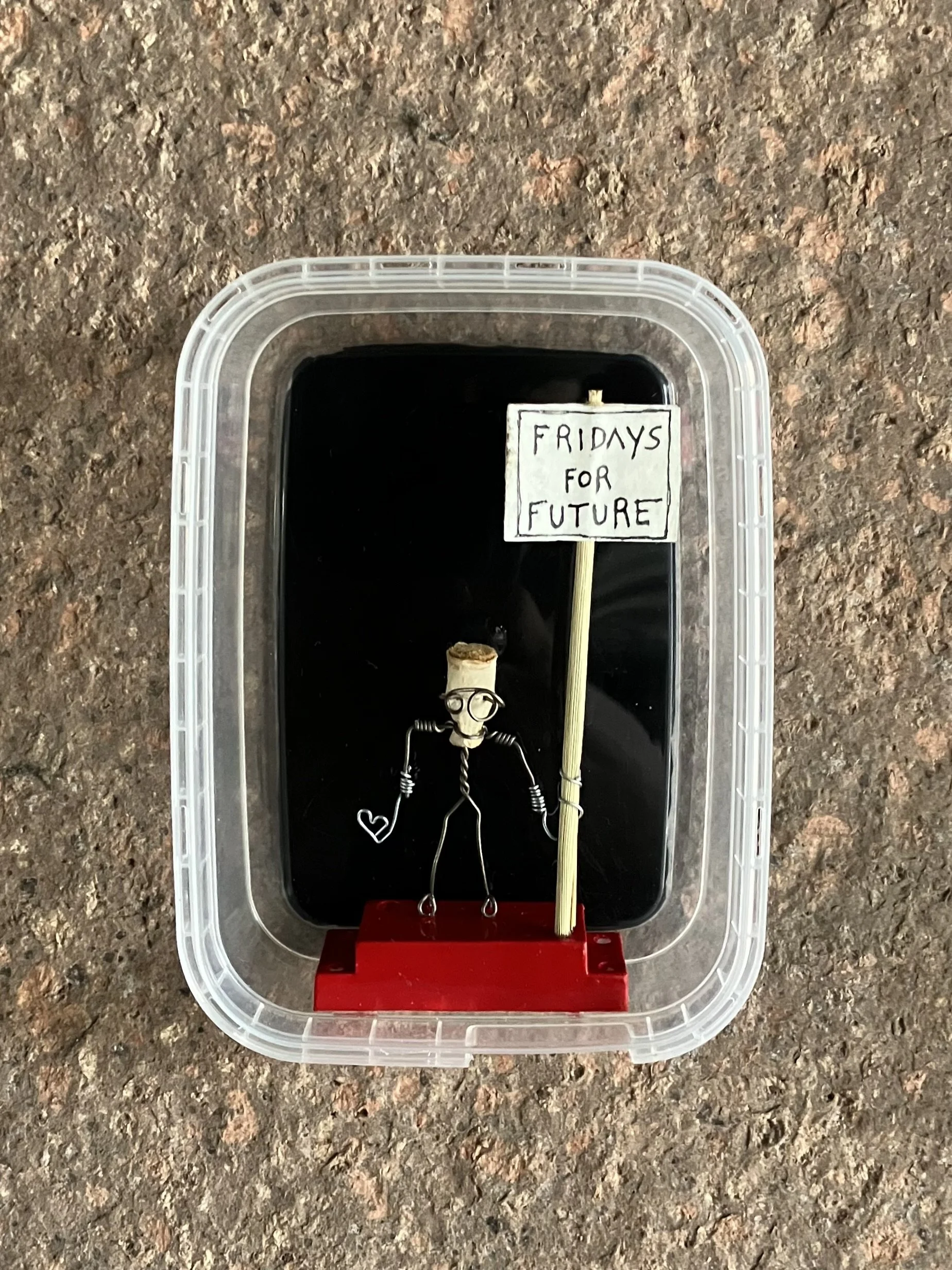
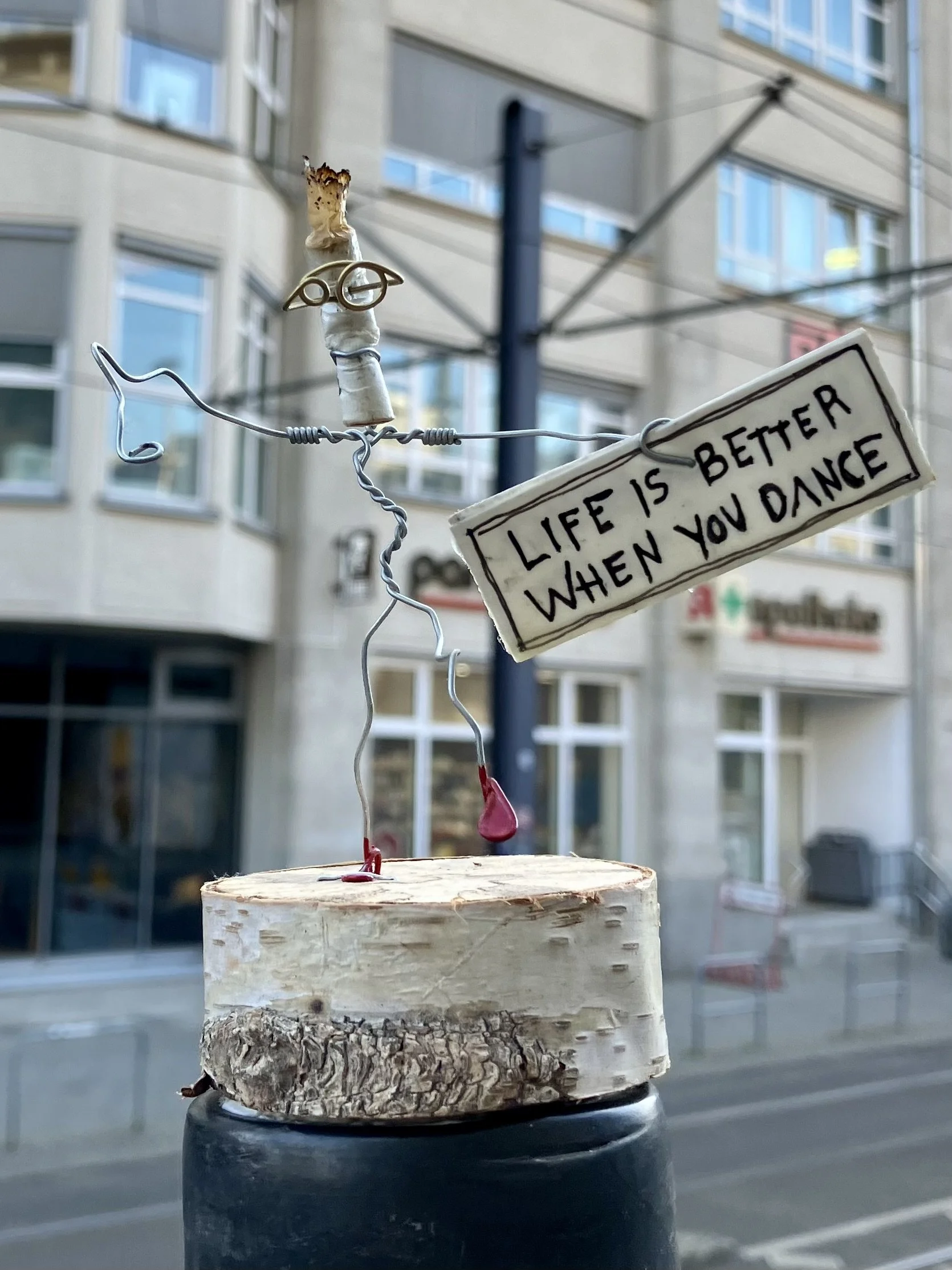
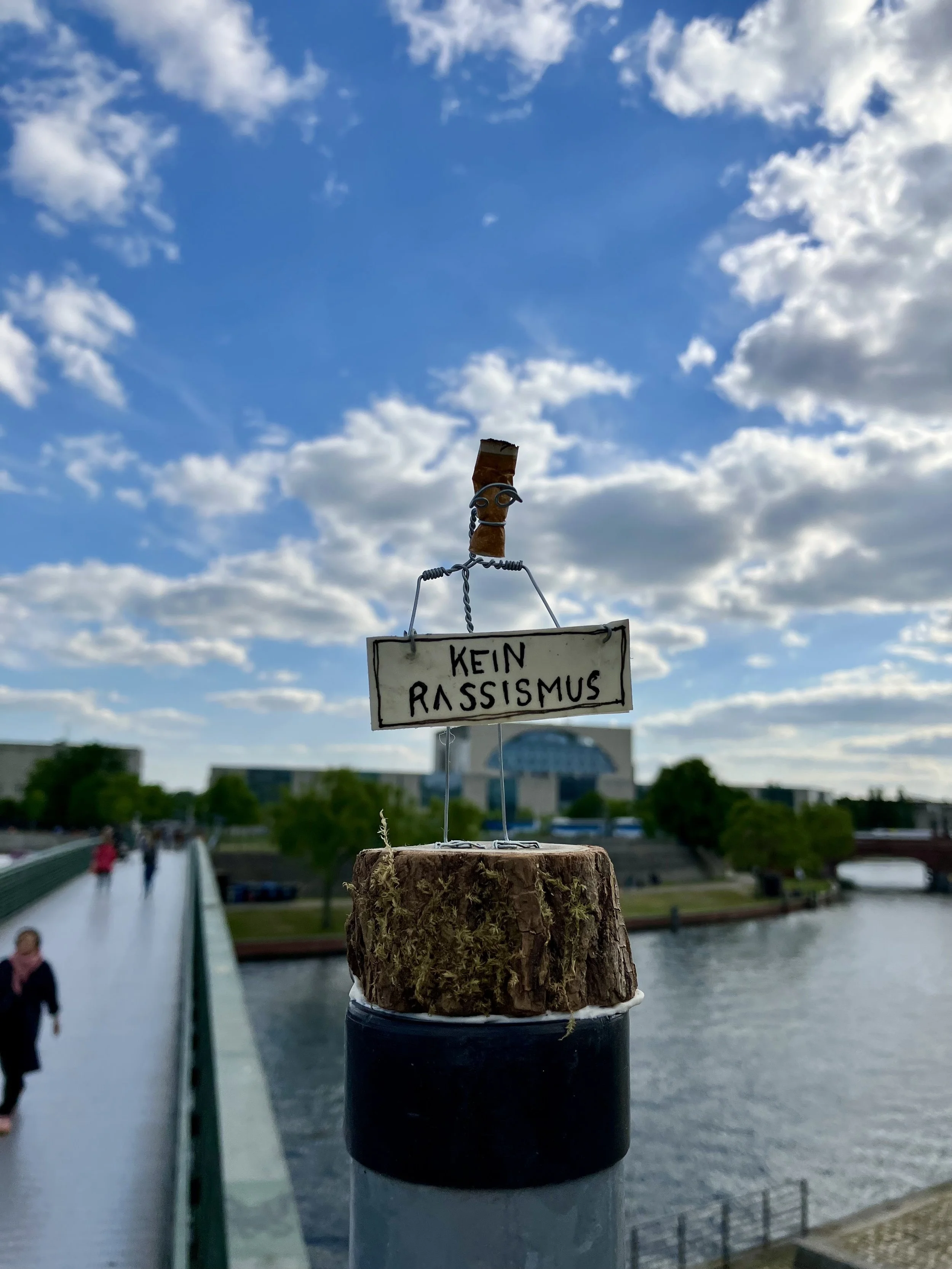
The purpose of the Peaceful Demonstrator Study is to examine how different kinds of statements affect attention and reflective thinking. In the current study update, I compare three types of statements displayed on small demonstrator signs: The purpose of the Peaceful Demonstrator Study is to examine how different kinds of short public slogans affect attention and reflective thinking. In the current study update, I compare three types of statements displayed on small demonstrator signs:
Neutral statements (descriptive baseline)
Confirmative statements (value-affirming messages that align with widely shared norms)
Paradoxical statements (a form of paradoxical intervention: messages that remain consistent with common beliefs but are pushed to an exaggerated or “too-far” conclusion, designed to create surprise and invite deeper sense-making rather than direct persuasion)
By comparing responses to these message types, the study investigates:
Which slogans are most likely to capture attention and be remembered
Which slogans most strongly stimulate cognitive reflection (e.g., “this made me think,” interpretive effort, uncertainty in positioning)
How emotional reactions and rejection tendencies relate to reflection
For whom a message is experienced as paradoxical, including differences across political self-placement
Overall, the research aims to understand whether paradoxical intervention in the form of small demonstration signs can generate stronger reflective engagement than confirmative messaging, while using neutral statements as a control baseline.

My Personal Interest in This Project
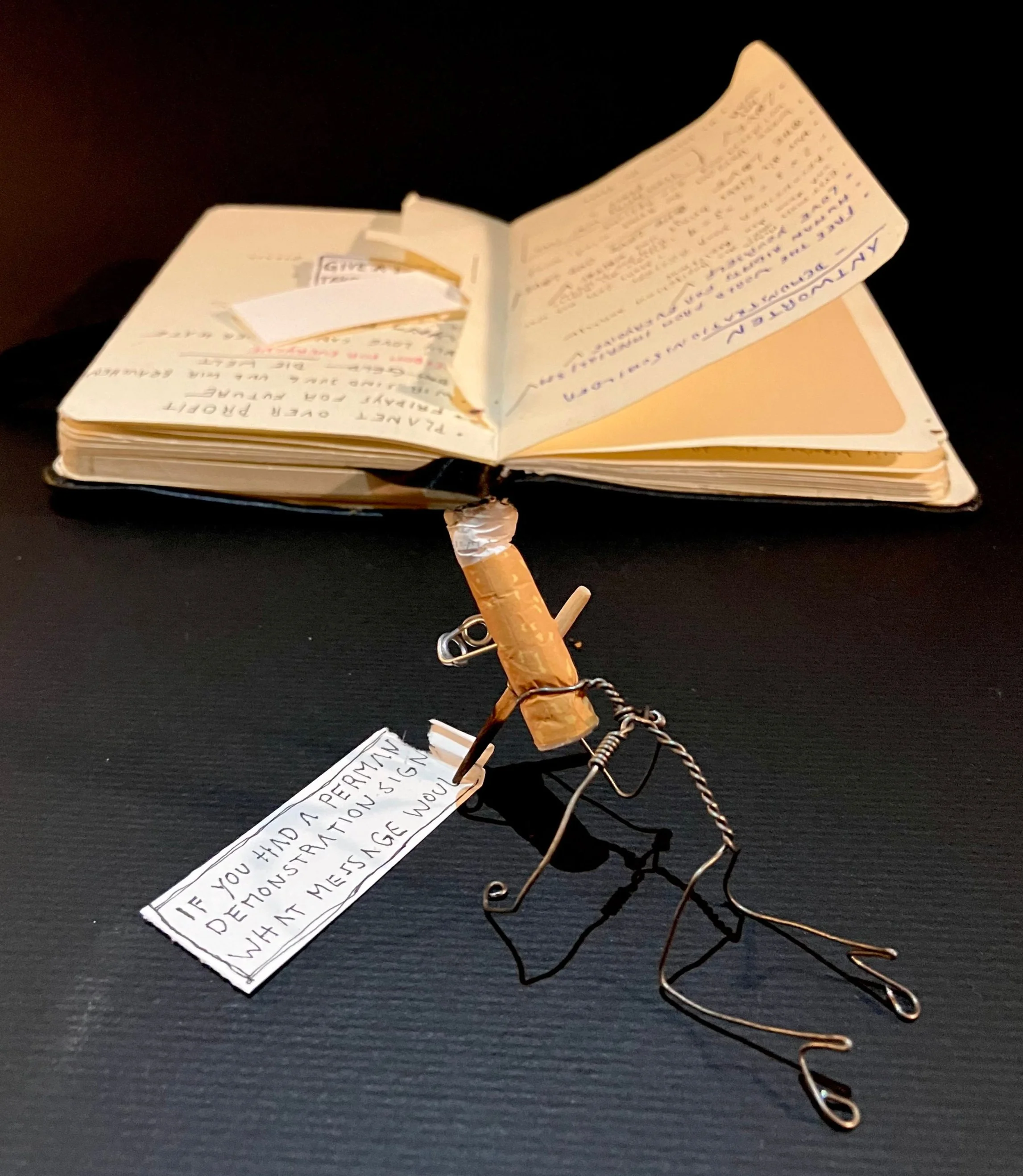
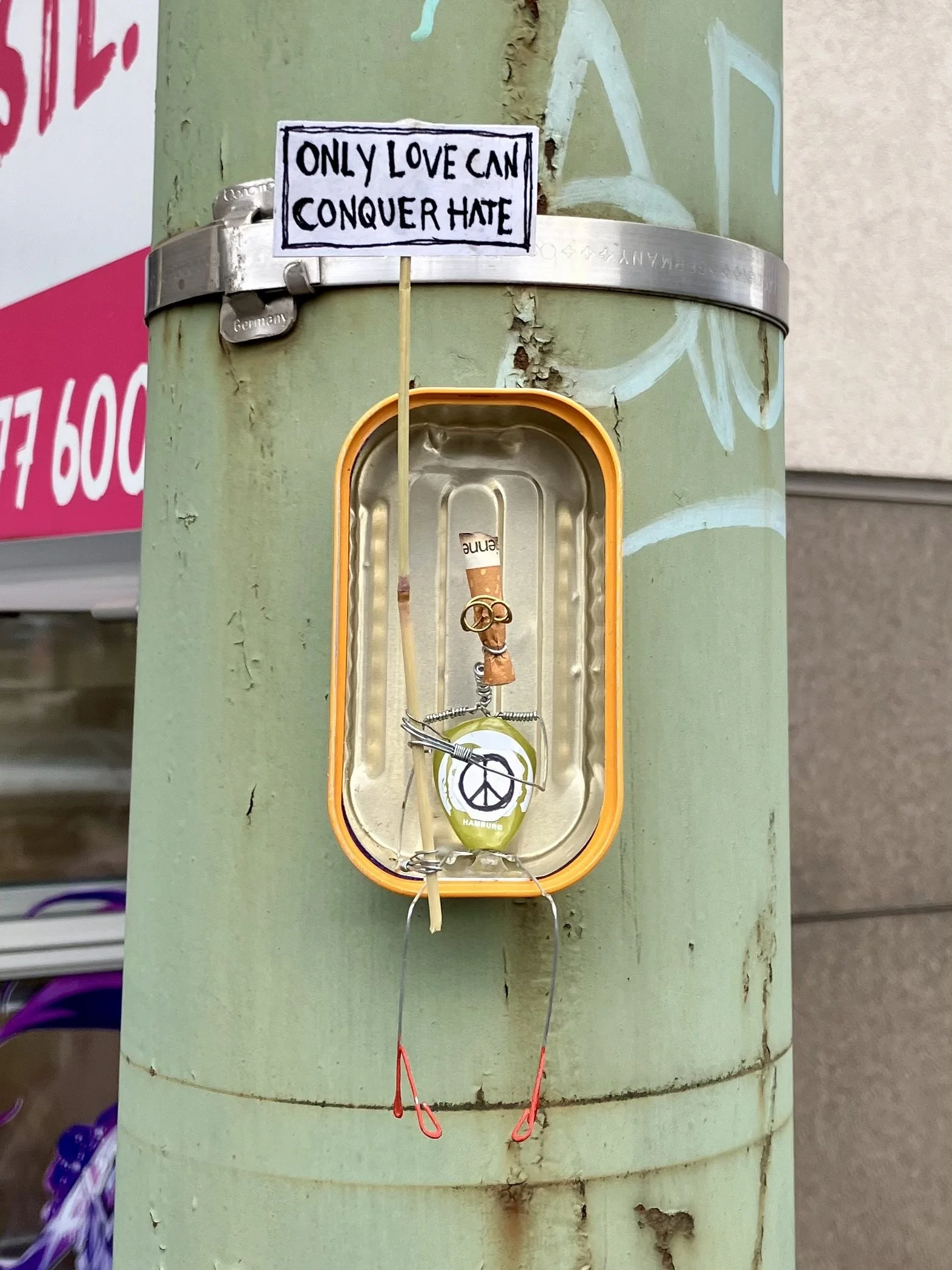
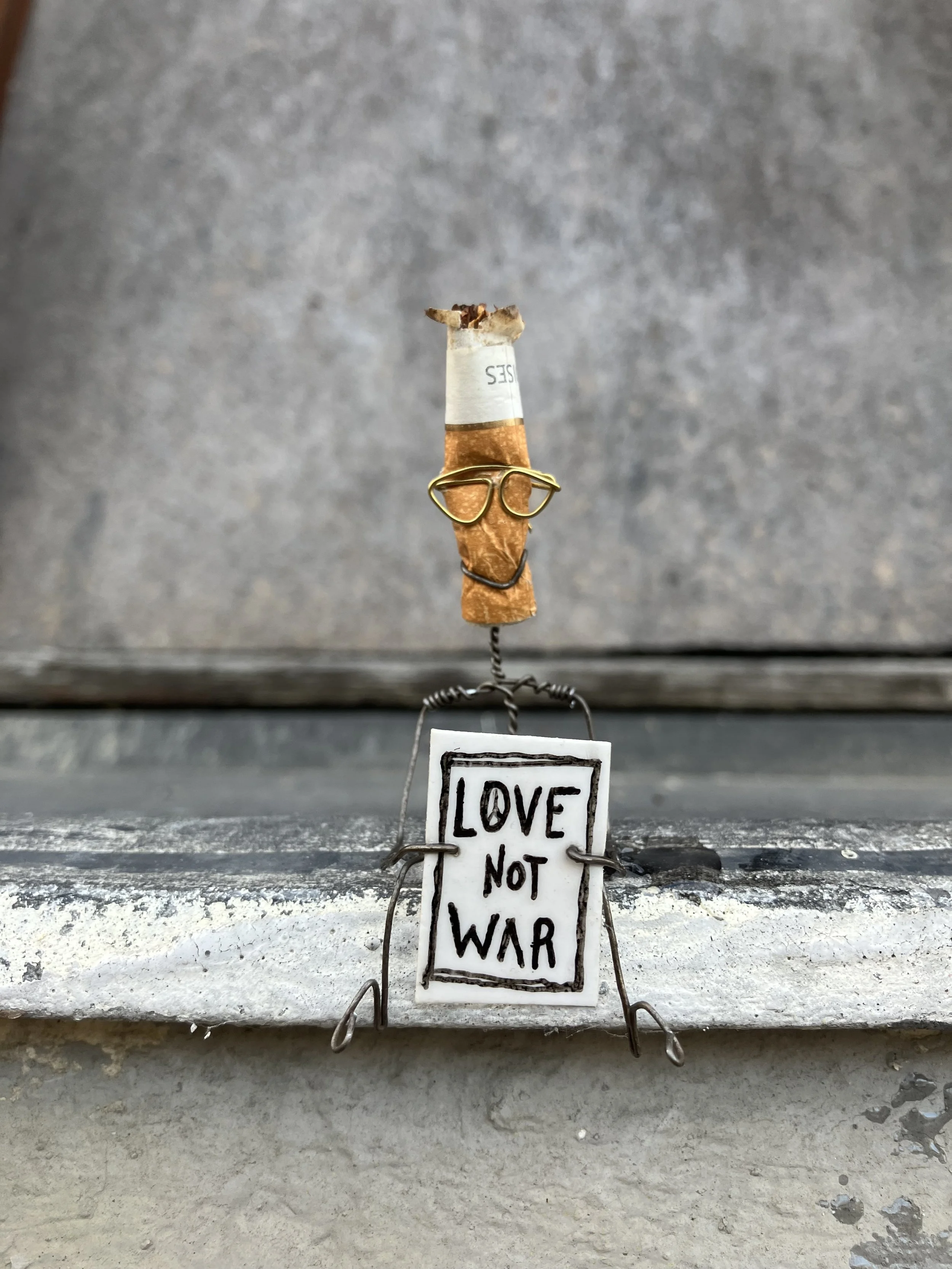
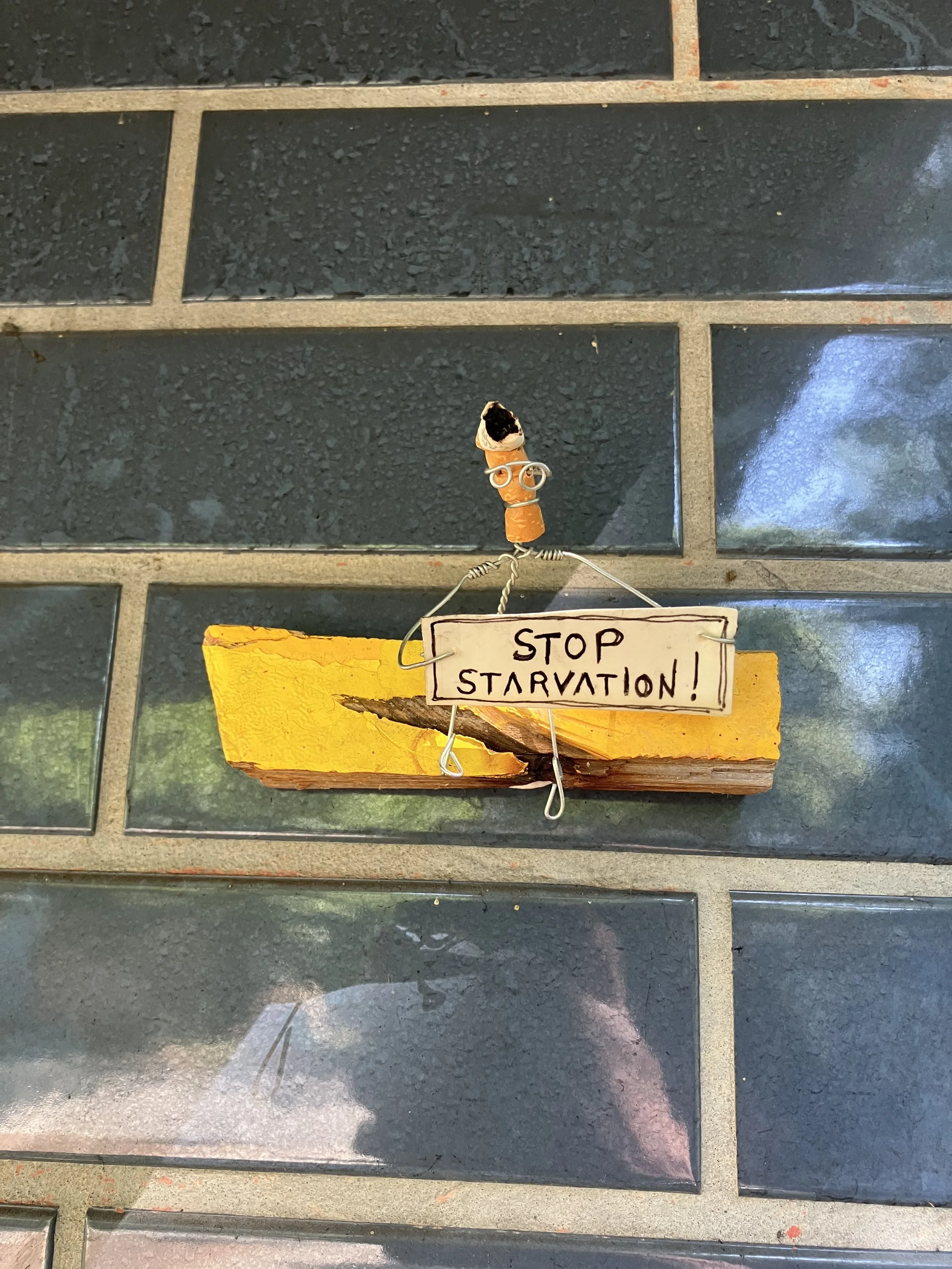
I want to understand what people truly care about…what values feel urgent, personal, and worth showing in public. That curiosity drives the Peaceful Demonstrator project: small handmade figures built from recycled materials, holding miniature signs that carry messages submitted by others.
But I’m not only interested in what people write. I’m interested in what works…which kinds of messages actually catch attention, stay in the mind, and open a moment of reflection. Demonstration slogans are everywhere, yet they often lose their power through repetition. That’s why I’m exploring paradoxical intervention: statements that sound plausible at first, but become unsettling when you think them through…inviting sense-making instead of instant agreement.
For me, this is my passion building the bridge between art and science. The street is not only a place to place objects…it is a place to observe how meaning emerges socially. And the transformation is material, too: discarded fragments become figures, and small figures become signals…asking what we notice, what we ignore, and what we might be willing to rethink.

For furthrer content
Follow the project on Instagram

Contact me
Are you interested in a collaboration?
Please complete the form, and I will be in touch with you shortly. I look forward to hearing from you.